

Cybersecurity in the Age of Artificial Intelligence
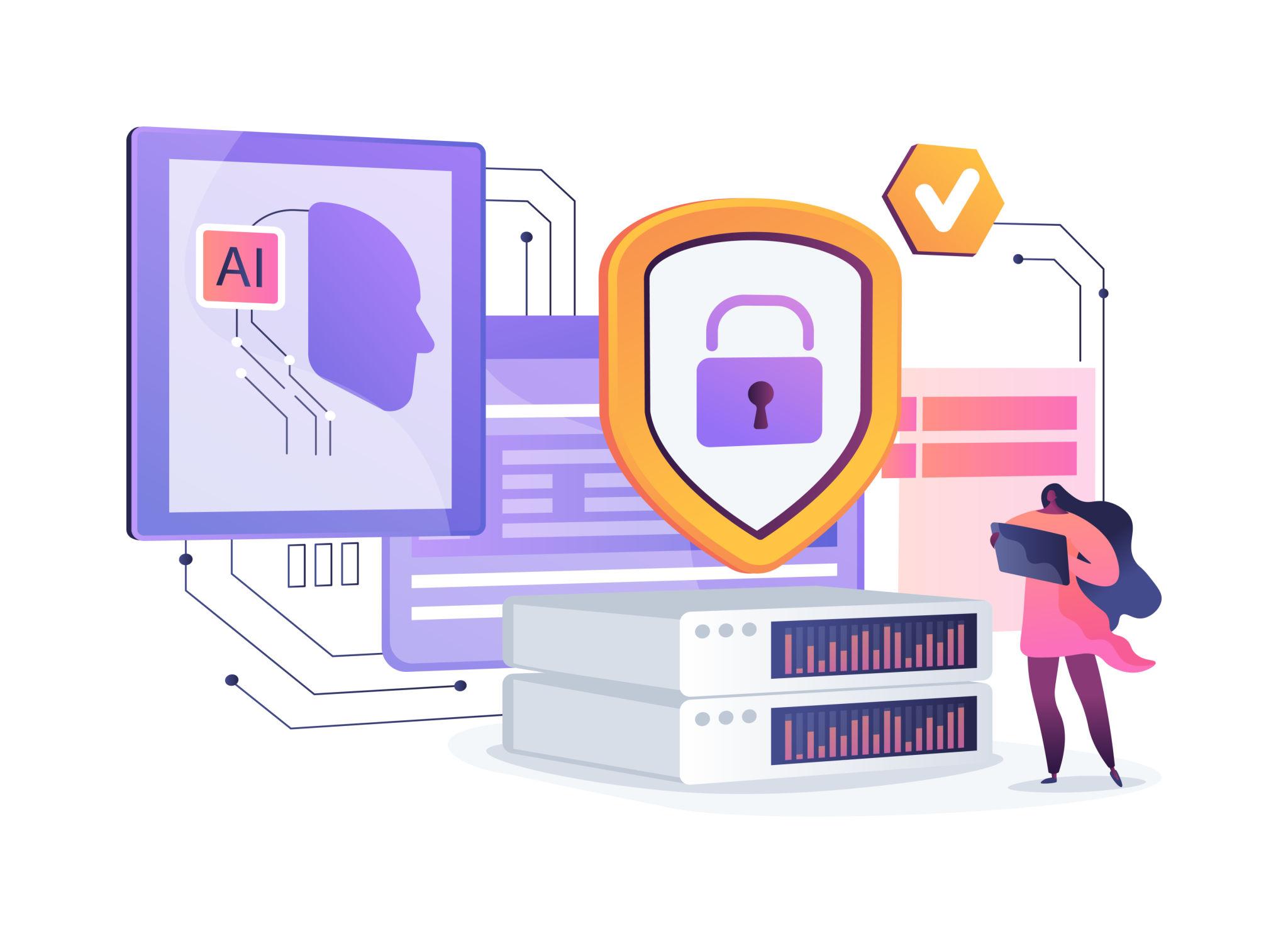
Artificial intelligence is transforming cybersecurity in two opposing ways. It is helping organizations detect threats more quickly, analyze large volumes of data and automate repetitive security tasks. At the same time, cybercriminals are using the same technology to create more convincing scams, improve social-engineering campaigns and identify potential targets.
This creates a new digital environment in which both attacks and defenses are becoming faster and more sophisticated.
How AI Is Changing Cyberattacks
One of the clearest changes can be seen in phishing. In the past, fraudulent messages often contained grammatical errors or unusual wording. Generative AI can now produce polished emails in different languages and adapt messages to a specific company, profession or situation.
AI can also support the creation of convincing fake images, voices and videos. A fraudulent voice message may appear to come from a manager, colleague or family member asking for information or an urgent payment.
The ENISA Threat Landscape 2025 identified artificial intelligence as a defining element of the evolving threat environment, particularly in phishing and social engineering.
However, AI does not make every attack completely autonomous. Cybercriminals still depend on people making mistakes, reusing passwords, ignoring updates or sharing sensitive information without verification.
AI as a Defensive Tool
Security teams are also benefiting from artificial intelligence. Modern systems can examine network activity, login attempts and device behavior to identify patterns that may indicate a cyber incident.
For example, an AI-supported system might detect that an employee’s account is suddenly being accessed from an unusual location or downloading significantly more information than normal. It can then alert the security team or temporarily restrict access.
AI can also help organizations:
-
Prioritize security alerts;
-
Identify suspicious emails;
-
Detect unusual account activity;
-
Analyze malware and emerging threats;
-
Find vulnerabilities that require attention;
-
Respond more quickly to incidents.
These capabilities are particularly useful because security teams may receive thousands of alerts every day. AI can help separate routine activity from events that require urgent investigation.
AI Systems Introduce New Risks
Organizations must also protect the AI systems they use. Employees may accidentally enter confidential documents, customer information or internal business data into public AI platforms. If this information is not handled correctly, it can create privacy, legal and security risks.
AI applications may also depend on external models, cloud platforms, software packages and data sources. A weakness in one part of that supply chain can affect many organizations.
For this reason, companies should establish clear rules explaining which AI tools employees may use, what information may be entered and how AI-generated results must be reviewed. NIST recommends integrating AI risk management with broader cybersecurity, privacy and organizational risk processes through its AI Risk Management Framework.
Human Judgment Remains Essential
Artificial intelligence can detect patterns, but it does not fully understand context. A security system may incorrectly classify normal behavior as suspicious or fail to recognize an activity it has never encountered.
Human experts must therefore remain involved in important decisions. They need to investigate alerts, evaluate the possible consequences and determine the appropriate response.
The same principle applies to employees. If someone receives an unusual request by email, voice message or video call, the message should be verified through another trusted communication channel. A convincing appearance is no longer sufficient proof of identity.
Building Security for the AI Era
Organizations do not need to abandon traditional cybersecurity practices. In fact, basic protection becomes even more important as attacks become faster.
Strong and unique passwords, multifactor authentication, software updates, limited access privileges, employee awareness and tested backups remain among the most effective protections. AI should strengthen these measures rather than replace them.
The future of cybersecurity will not be defined by a simple competition between humans and machines. It will depend on how effectively people combine technology with experience, critical thinking and responsible decision-making.
Artificial intelligence can make cybersecurity stronger, but only when it is used carefully, monitored continuously and supported by solid security practices.